Treatment Options For Stimulant Addiction Symptoms
Stimulants are a broad classification that encompasses many different drugs. Caffeine and nicotine are considered stimulants, as are drugs likecocaineand methamphetamine. Also included in the category of stimulants isamphetamine, which is commonly in prescription medications used to treat ADHD and narcolepsy. While different stimulants can have varying effects, they have similarities to one another as well. All stimulants affect brain neurotransmitters, and when misused, they can create a euphoric high in those who take them. All stimulants also raise heart rate and blood pressure and speed up other essential functions controlled by the central nervous system. Stimulants also have the potential to be addictive. Stimulants are primarily addictive because they affect neurotransmitters like dopamine. This is how they cause people to feel high, but this is also what triggers a reward response that can causestimulant addiction. When someone is addicted to stimulants, there are different treatment options available. Regardless of the specifics of the program, drug treatment should help people stop the compulsive use and seeking of stimulants and other substances they may be using.
Stimulant Medical Detox
Before someone can begin addiction treatment, the drugs have to be out of their system. This is essential. Stimulants can cause uncomfortablewithdrawal symptomswhen someone stops using suddenly, however. A stimulantmedical detoxmay include a tapering down schedule to help someone gradually stop using stimulants. A stimulant medical detox also includes monitoring for safety and comfort. During a stimulant medical detox, a person may be provided with certain medications to help them deal with withdrawal symptoms. Since many of the symptoms of stimulant withdrawal are psychological, they may receive medications that help with these issues, such as an anti-depressant or a sleep aid. Many residential drug treatment centers include a medical detox as the first part of the process.
Stimulant Rehabilitation Programs
There are different approaches that individualstimulant rehab programsmight take, but there are some elements to look for. First, a stimulant rehab program needs to view addiction as a chronic disease. The goal should be to help participants stop using drugs but also to prevent future recurrence of use. A stimulant rehab program should also include a dual-diagnosis approach. This allows for the assessment and treatment ofco-occurring mental health conditionsthat could either have played a role in addiction or could have developed as a result of substance misuse. Stimulant rehab programs can be short- or long-term. They can occur on an inpatient or outpatient basis. Stimulant rehab programs often include behavioral therapy, such as cognitive-behavioral therapy, and many programs integrate other therapies into the treatment as well. For example, participants might receive vocational training to help them as they re-enter their daily life.
Inpatient Stimulant Rehab
Inpatient stimulant rehabtakes place in a residential setting. Participants live in the facility for a period of time with other people who are also being treated for addiction. There are quite a few advantages to an inpatient stimulant rehab, including the constant support, supervision and structure. These can be highly beneficial when someone is going through addiction treatment. It takes the focus off the stress of daily life and allows participants just to focus on what’s happening in treatment and their recovery. During a residential stimulant rehab program, a participant will usually begin with a medical detox. Following that, they work with the staff and an individualized treatment plan is created. There is a high level of structure each day, and patients will often work with psychologists, counselors and psychiatrists, as well as participating in group therapy. While there are quite a few benefits to inpatient stimulant rehab, a person will have to consider things like their job or school commitments, the cost and how they will deal with being away from home.

Outpatient Stimulant Rehab
Outpatient stimulant rehabis much less structured and restrictive. When someone is participating in an outpatient stimulant rehab, they stay home and continue working or going to school. Most outpatient treatment programs require a commitment of ten hours a week at a local treatment facility. The focus of outpatient stimulant rehab is typically going to be on education, as well as a combination of group and individual counseling. Outpatient rehab can happen on its own, but it’s also often part of a longer-term treatment plan.
Choosing A Stimulant Rehab Center
There are so many factors to take into consideration when choosing a stimulant rehab center. If you’re a parent seeking help for your teen who might be addicted to stimulants, you’ll have to think about things such as how they’ll fare away from home and whether or not leaving their current environment could be the best option. Other considerations when choosing a stimulant rehab center include:
- Are treatment plans individualized?
- What is the specific approach — for example, does the facility focus exclusively on a certain therapy approach?
- Is the stimulant rehab center licensed and accredited?
- What is the normal course of treatment — if someone begins with inpatient rehab, do they then gradually move into outpatient care and is there aftercare planning?
- What are the credentials of the staff at the rehab center?
- Has the person tried other treatments before?
- How severe is the addiction?
- Are there co-occurring mental health disorders?
- Is the person struggling with multiple addictions?
The Recovery Villageworks with people from around the country addicted to stimulants and other substances to help them get their life back and to give their family peace of mind. Reach out to us now to learn more.
Visit the following websites to learn about The Recovery Village’s network of drug and alcohol rehabilitation treatment facilities. Call today for admissions. Each center is ready to help people learn how to cope with their addiction and uncover the root causes for their substance use disorder.
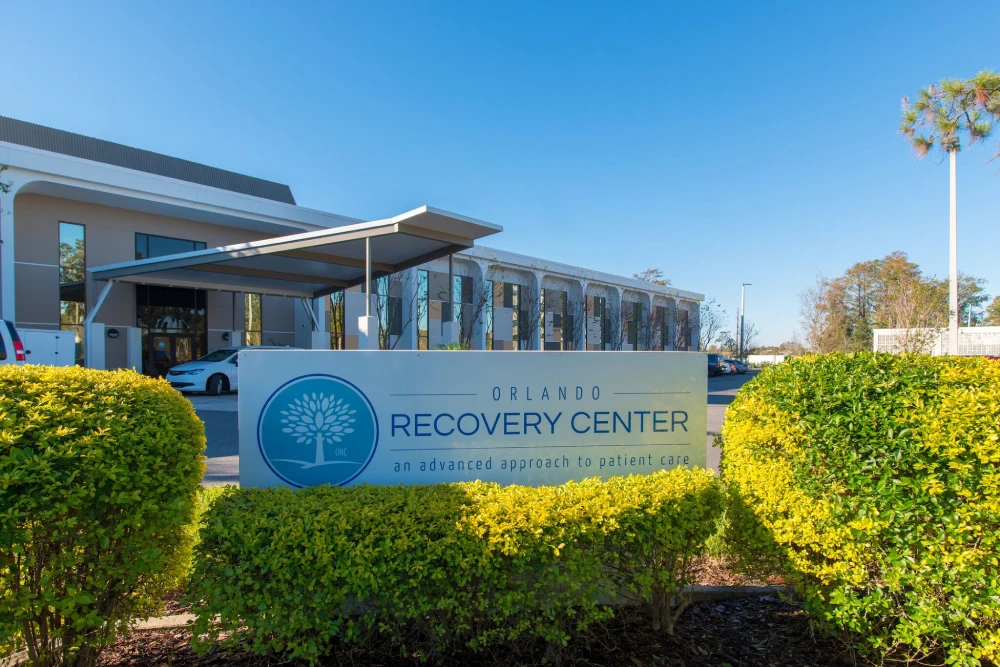
- Orlando Recovery Center: A premier rehabilitation facility in Orlando, Florida that helps individuals recover from addiction and substance use disorders. The center also offers the opportunity to treat co-occurring disorders.
- The Recovery Village Columbus: Located in Ohio,this facility provides inpatient, outpatient and aftercare treatment for people looking to begin detox. The center provides individualized plans to help patients through recovery while addressing their unique co-occurring disorders or any setbacks that may happen during recovery.
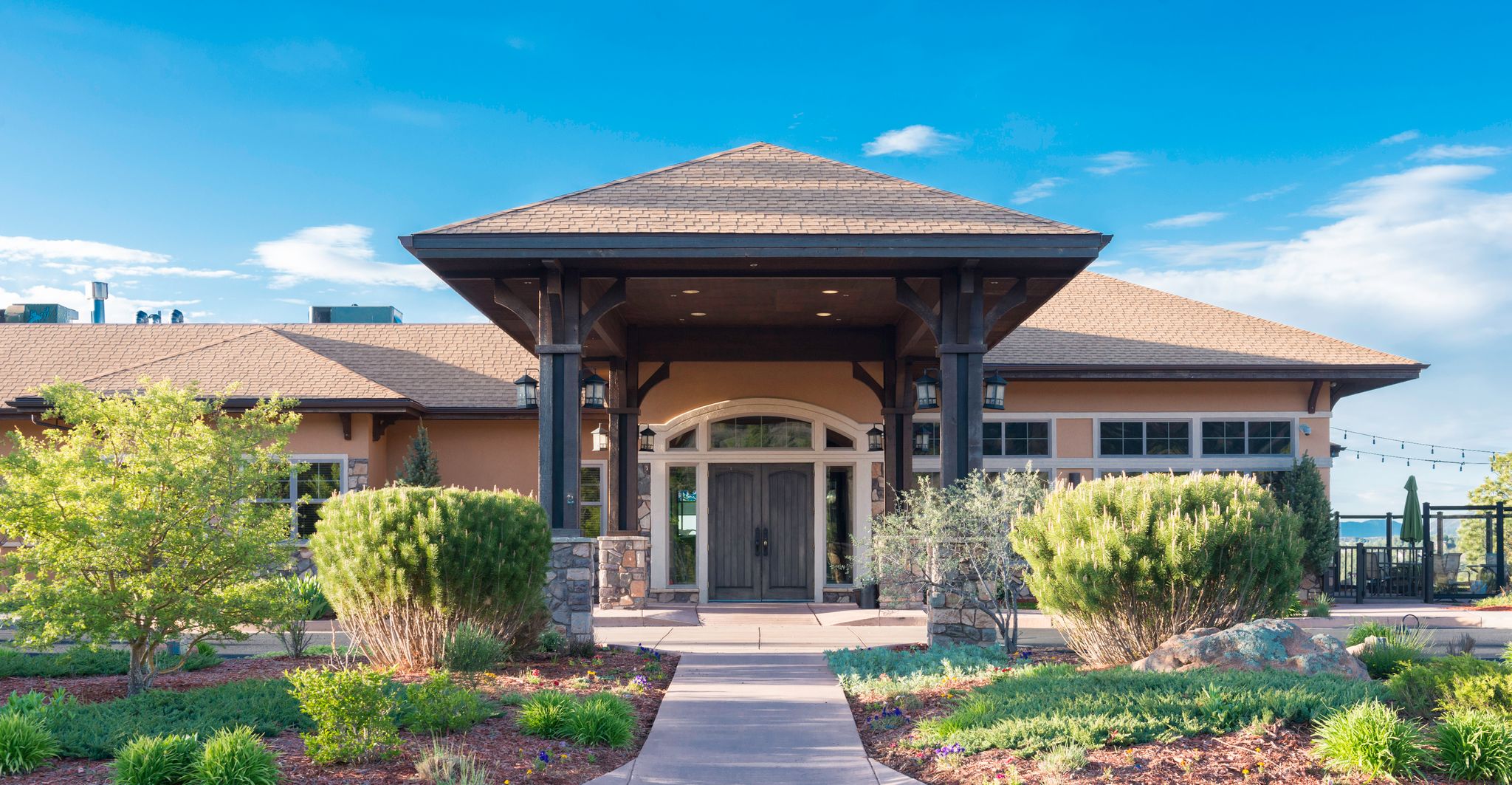
- The Recovery Village Palmer Lake:In Colorado, this facility offers inpatient, outpatient and intensive outpatient treatment for individuals looking to kick-start their journey to recovery.
- The Recovery Village Ridgefield: Located right in southern Washington,this facility provides patients with outpatient and aftercare programs. Just 20 minutes outside of Portland, this facility assists individuals who are ready to begin treatment.
- The Recovery Village: In Umatilla, Florida,this is a rehabilitation facility that provides resources for individuals seeking drug and alcohol treatment. There are inpatient, outpatient, intensive outpatient and partial hospitalization treatment programs available for those suffering from Ambien addiction.
- IAFF Center of Excellence:Specializes in assisting firefighters who struggle with behavioral health problems and addiction. Members can enter the recovery process sooner so they can return back to work as quickly as possible. Inpatient, partial hospitalization and intensive outpatient programs are all available at this facility, where patients can address their Ambien addiction in a safe, supportive environment.
- Denver Mental Health & Counseling: Denver Mental Health and Counseling by The Recovery Village is a physician-led outpatient center specializing in evidence-based addiction and mental health treatments, offering services such as TMS, IOP, and personalized care for both ongoing and new patients, dedicated to fostering long-term recovery and overall well-being.
- The Recovery Village Palm Beach at Baptist Health: The Recovery Village Palm Beach at Baptist Health is a premier physician-led treatment center in South Florida, offering a comprehensive spectrum of services from medical detox to outpatient programs for alcohol, drug, and co-occurring mental health conditions, with a commitment to rejuvenating lives, families, and communities, and facilitating same-day admissions.
- The Recovery Village Atlanta: Located in Roswell just outside downtown Atlanta, is a 62-bed physician-led treatment facility offering a comprehensive range of services, from medical detox to outpatient care, specializing in alcohol, drug, and co-occurring mental health conditions, dedicated to transforming lives, families, and communities throughout Georgia.
- The Recovery Village Kansas City: The Recovery Village Kansas City, an 80-bed facility in Raytown just 10 miles from downtown, offers a comprehensive range of evidence-based treatments for addiction and mental health conditions, overseen by physician leaders, and is dedicated to revitalizing lives, families, and communities throughout the Midwest.
- The Recovery Village Cherry Hill at Cooper Health: The Recovery Village Cherry Hill at Cooper, situated just 20 minutes from Philadelphia, is a leading rehab facility in South Jersey providing comprehensive, evidence-based addiction and mental health treatments, ranging from medical detox to teletherapy, with a dedicated team committed to guiding adults on their path to lifelong recovery.